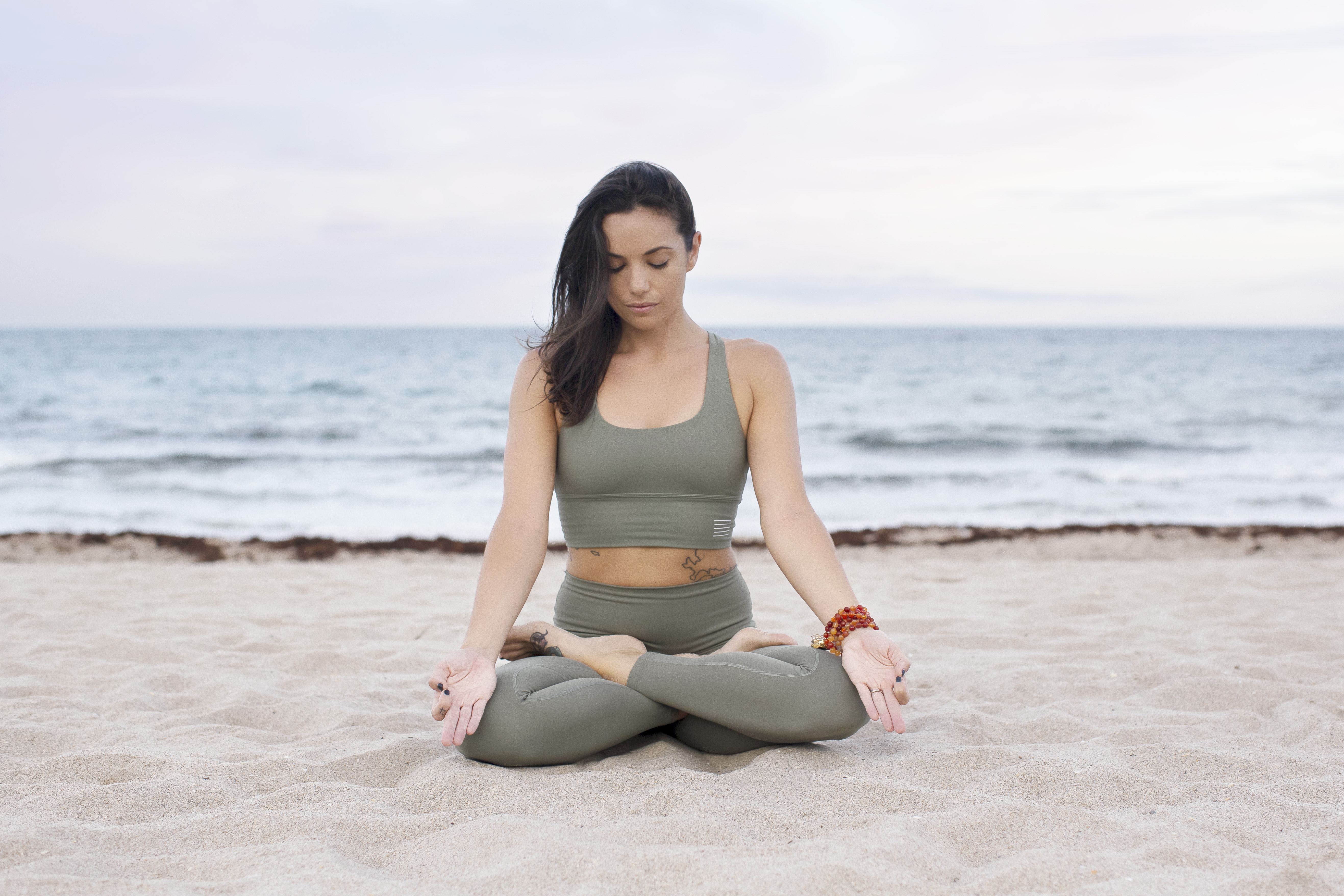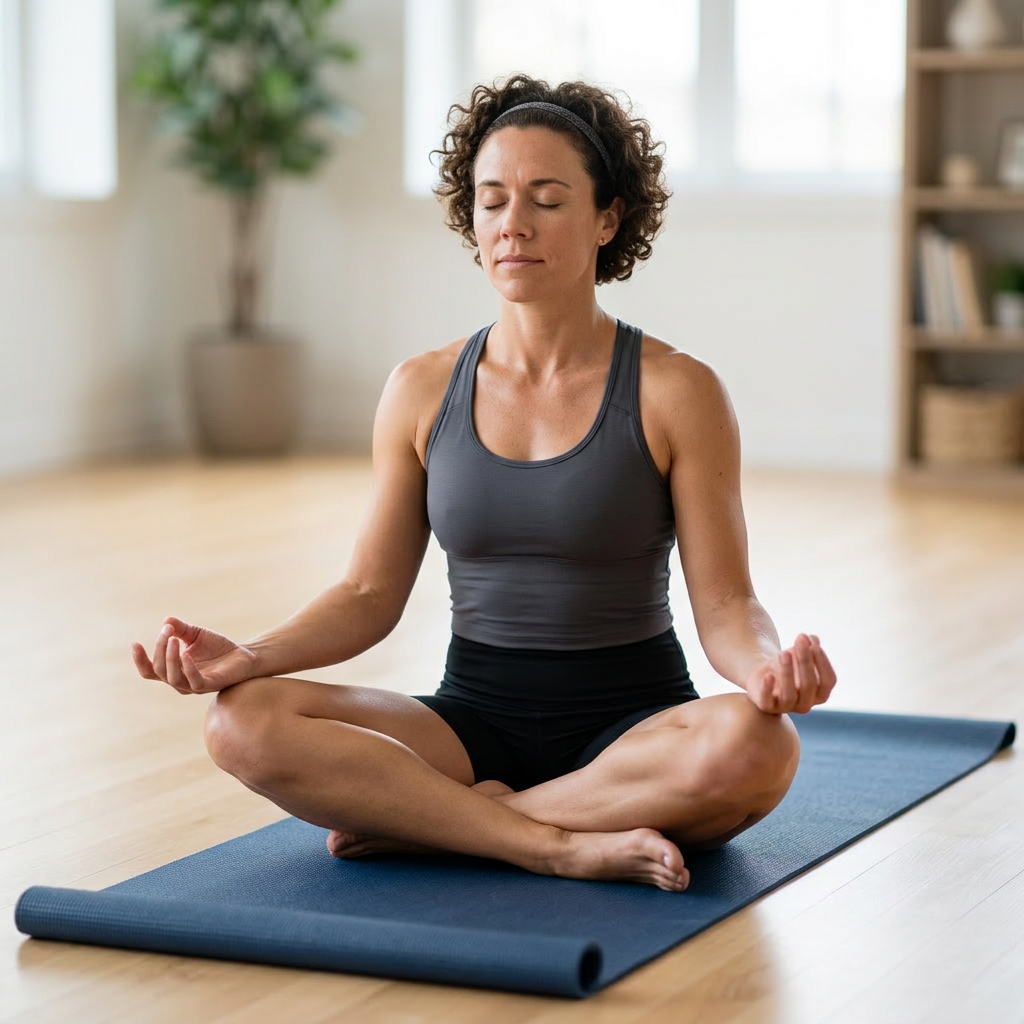

Find answers to common health and wellness questions in our comprehensive FAQ resource. Whether you’re looking for information about nutrition, fitness, mindfulness, meditation, yoga, healthy lifestyle habits, or overall well-being, our FAQ page provides clear, helpful guidance to support your wellness journey. We address topics that help you make informed decisions about your health, understand wellness practices, and discover ways to improve your physical, mental, and emotional well-being. Browse our frequently asked questions to quickly find the information you need and gain confidence in creating a healthier, more balanced lifestyle.
1. What are the benefits of practicing yoga regularly?
Yoga offers a wide range of physical, mental, and emotional benefits. Regular yoga practice can help improve flexibility, strength, balance, posture, and mobility while also supporting stress reduction and relaxation. Many people use yoga to enhance mindfulness, reduce muscle tension, improve sleep quality, and support overall health and wellness. Consistent practice may also contribute to better nervous system regulation and emotional resilience.
2. How often should I practice yoga to see results?
The ideal yoga frequency depends on your goals, but even practicing yoga 2–3 times per week can provide noticeable benefits. Beginners often experience improvements in flexibility, stress levels, and body awareness within a few weeks. More frequent practice may lead to greater gains in strength, mobility, balance, and overall well-being.
3. What is meditation and how does it work?
Meditation is a mindfulness practice that involves focusing your attention to cultivate awareness, relaxation, and mental clarity. Guided meditation, breathwork, and mindfulness meditation help calm the mind by encouraging present-moment awareness. Regular meditation can reduce stress, improve focus, support emotional health, and help regulate the nervous system.
4. Can meditation help reduce stress and anxiety?
Many people find meditation to be an effective tool for managing stress and anxiety. Meditation practices encourage slower breathing, relaxation, and mindful awareness, which can help reduce feelings of overwhelm and promote a greater sense of calm. Regular meditation may also support emotional regulation and improve resilience during challenging situations.
5. What is nervous system regulation?
Nervous system regulation refers to the body’s ability to respond to stress and return to a balanced state. When the nervous system is well-regulated, individuals often experience improved emotional stability, better stress management, enhanced focus, and greater overall well-being. Practices such as yoga, meditation, breathwork, mindfulness, and adequate sleep can help support healthy nervous system function.
6. How does breathwork support nervous system health?
Breathwork involves intentional breathing techniques that can influence the body’s stress response. Slow, controlled breathing may activate the parasympathetic nervous system, often referred to as the “rest and digest” response. Regular breathwork practices can help promote relaxation, reduce tension, improve focus, and support emotional balance.
7. What is mindfulness and why is it important?
Mindfulness is the practice of paying attention to the present moment without judgment. It can help individuals become more aware of their thoughts, emotions, and physical sensations. Mindfulness practices are commonly used to reduce stress, improve mental clarity, enhance emotional well-being, and foster healthier responses to everyday challenges.
8. Can yoga and meditation improve sleep quality?
Yoga and meditation are often used as natural tools to support better sleep. Gentle yoga stretches, relaxation techniques, mindfulness exercises, and guided sleep meditations can help calm the mind and release physical tension before bedtime. Many people find that these practices help create a more restful sleep routine and improve overall sleep quality.
9. What are some simple daily wellness habits?
Small, consistent habits can have a significant impact on overall health and wellness. Examples include staying hydrated, engaging in regular physical activity, practicing mindfulness, eating a balanced diet, getting adequate sleep, spending time outdoors, and taking breaks throughout the day to reduce stress. Building sustainable wellness habits can support long-term physical and mental health.
10. Is yoga suitable for beginners?
Yes, yoga is accessible to people of all ages, fitness levels, and experience levels. Beginner-friendly yoga classes focus on foundational poses, proper alignment, breathing techniques, and gentle movement. Starting with beginner yoga videos or guided classes can help build confidence while developing strength, flexibility, and body awareness.
11. How can holistic wellness improve overall health?
Holistic wellness focuses on supporting the whole person, including physical, mental, emotional, and spiritual well-being. By addressing multiple aspects of health through practices such as exercise, nutrition, mindfulness, stress management, and self-care, individuals can create a more balanced lifestyle that supports long-term wellness and quality of life.
12. What is the connection between stress, wellness, and the nervous system?
Chronic stress can affect both physical and mental health by keeping the nervous system in a heightened state of alertness. Wellness practices such as yoga, meditation, breathwork, mindfulness, regular exercise, and healthy sleep habits can help support nervous system regulation and encourage a greater sense of balance. By managing stress effectively, individuals may experience improved mood, energy levels, focus, and overall well-being.