
When was the last time you experienced genuine joy?
Not happiness tied to an accomplishment or relief after checking something off your to-do list. True joy. The kind that makes you feel present, energized, and connected to yourself.
For many people, this question is surprisingly difficult to answer.
Life moves quickly. Between work responsibilities, family commitments, endless notifications, and daily stressors, joy often gets pushed to the bottom of the priority list. We tell ourselves we’ll make time for it later, after things slow down, after the next project is finished, or after we finally feel caught up.
The reality is that life rarely slows down on its own.
Even more challenging, what once brought you joy may not bring you joy anymore. A hobby you loved years ago may now feel like a chore. An activity that once energized you might leave you feeling disconnected or frustrated.
And that’s okay.
Seriously, it’s okay.
You are not the same person you were five years ago, or even one year ago. Your interests, passions, needs, and priorities naturally evolve over time. Instead of clinging to who you used to be, consider embracing who you are today while remaining open to who you could become.
Scheduling time for joy is not selfish. It is an essential part of maintaining your physical health, mental well-being, and emotional balance.

Why Joy Matters for Overall Wellness
Joy is more than just a pleasant feeling. It plays an important role in supporting overall health and wellness.
When we engage in activities that genuinely bring us joy, we often experience:
- Reduced stress levels
- Improved mood
- Better emotional resilience
- Increased motivation
- Enhanced creativity
- Greater life satisfaction
- Improved nervous system regulation
Chronic stress can keep the body in a constant state of tension. Joyful activities help signal safety to the nervous system, encouraging relaxation and helping the body return to a more balanced state.
This is one reason practices such as mindfulness meditation, yoga, movement, creative expression, and spending time in nature are often recommended as part of a healthy lifestyle.
Step One: Redefine What Joy Means to You
Many people get stuck because they think joy has to be something big.
They imagine expensive vacations, major accomplishments, or life-changing experiences.
In reality, joy is often found in simple moments.
A morning walk.
Reading a good book.
Watching the sunrise.
Practicing yoga.
Listening to music.
Laughing with a friend.
Enjoying a guided meditation.
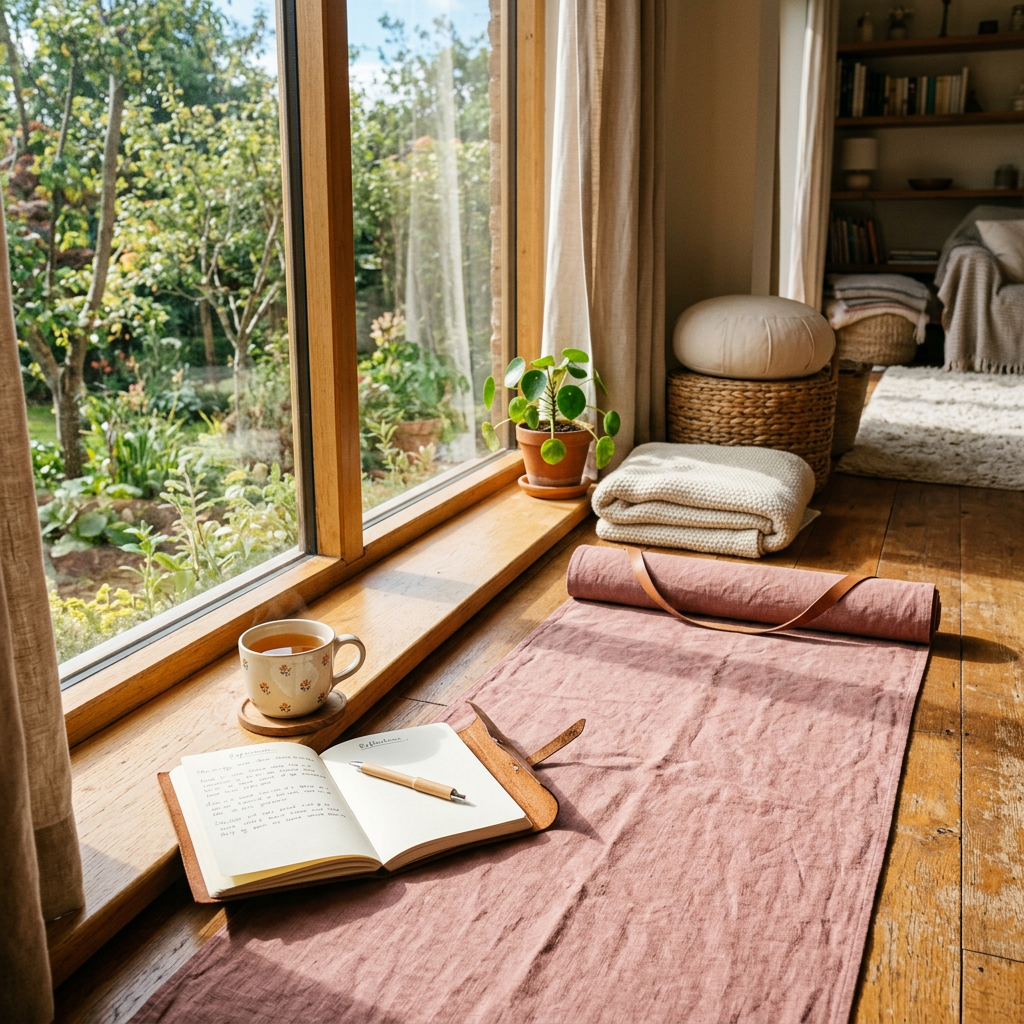
Sitting quietly with a cup of tea.
Take a moment to ask yourself:
- What activities make me lose track of time?
- What helps me feel most like myself?
- What leaves me feeling energized rather than drained?
- What experiences create a sense of peace, curiosity, or excitement?
The answers may surprise you.
Step Two: Let Go of Outdated Versions of Yourself
One of the biggest obstacles to finding joy is trying to force ourselves to enjoy things we have outgrown.
Perhaps you used to love running but now prefer strength training.
Maybe you once enjoyed crowded social gatherings but now crave quiet moments in nature.
You may have loved a particular hobby during one season of life and no longer feel connected to it.
That does not mean something is wrong.
Growth often requires letting go of old identities.
Instead of asking, “What used to make me happy?” try asking, “What sounds interesting to me right now?”
Curiosity is often the doorway to discovering new sources of joy.
Step Three: Put Joy on Your Calendar
Many people schedule meetings, appointments, errands, and obligations but never schedule activities that support their well-being.
If joy matters, it deserves a place on your calendar.
Start small.
You do not need hours of free time to experience meaningful benefits.
Try scheduling:
- 10 minutes of meditation each morning
- A 20-minute yoga session after work
- A daily walk outdoors
- Reading before bed
- Listening to music while cooking
- A weekly fitness class
- Time to explore a new hobby
Treat these appointments with the same level of importance as any other commitment.
When joy becomes a planned part of your routine, it becomes much easier to maintain.

Step Four: Support Your Nervous System
Many people struggle to experience joy because their nervous system is stuck in survival mode.
When stress becomes chronic, it can feel difficult to relax, focus, or enjoy activities that once felt pleasurable.
This is where practices that support nervous system regulation can be incredibly valuable.
Some effective options include:
Guided Meditation
Meditation can help calm mental chatter, reduce stress, and increase present-moment awareness. Even a few minutes each day can create a greater sense of balance and inner peace.
Yoga
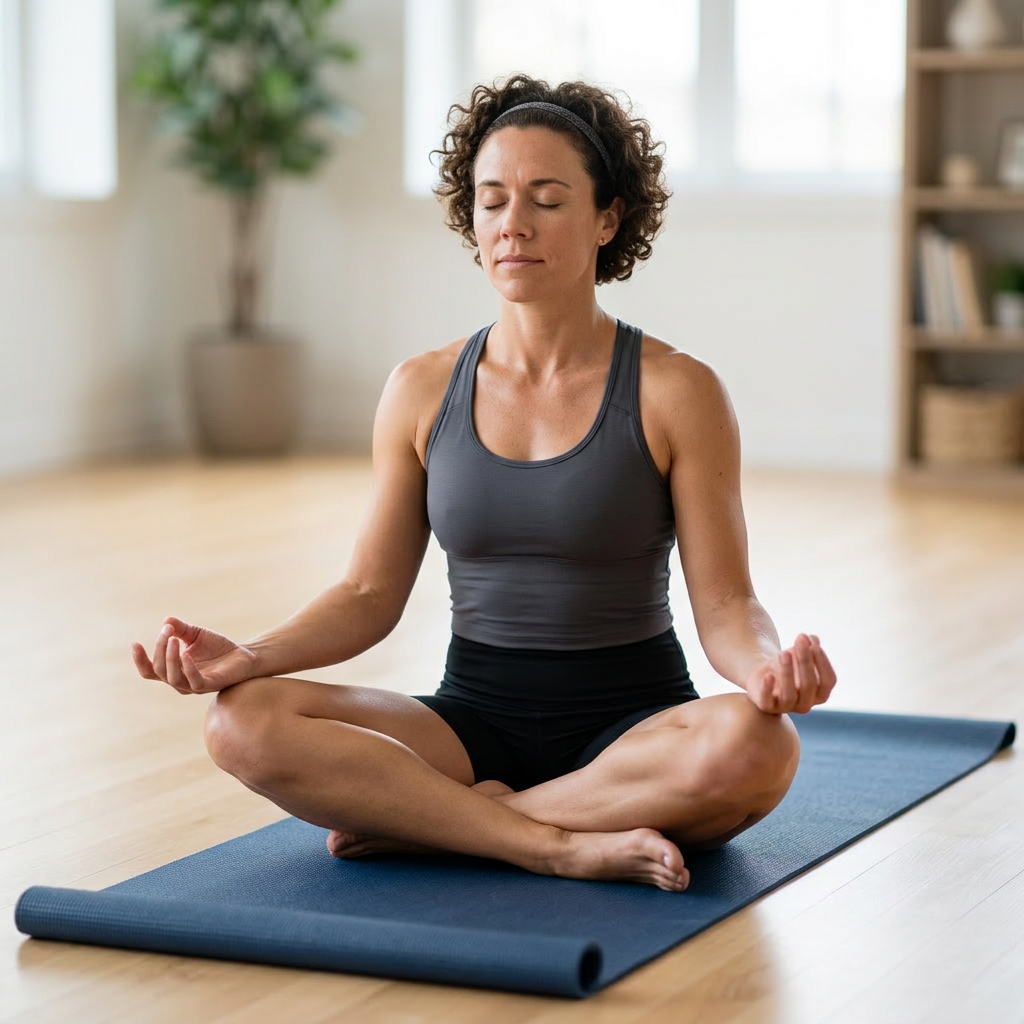
Yoga combines movement, breathwork, and mindfulness to support both physical and emotional wellness. Regular practice may help reduce tension while improving flexibility, strength, and overall well-being.
Fitness and Movement
Physical activity releases feel-good chemicals in the brain and can help reduce stress. The best exercise is often the one you genuinely enjoy and can sustain long term.
Breathwork
Intentional breathing exercises can help activate the body’s relaxation response and support emotional regulation during stressful moments.
Step Five: Give Yourself Permission to Enjoy Life
Many people unconsciously believe they must earn joy.
They tell themselves they can relax once everything is finished.
The problem is that there will always be another task, another responsibility, or another goal.
Joy is not something you earn.
It is something you intentionally create space for.
Giving yourself permission to enjoy your life today does not mean ignoring responsibilities. It means recognizing that your well-being matters too.
The healthier, more balanced, and more energized you feel, the more capacity you have to show up for the people and priorities that matter most.
Build a Wellness Routine That Includes Joy
Creating a healthy lifestyle is about more than nutrition and exercise. It is about building habits that support your whole self.
Consider creating a wellness routine that includes:
- Daily mindfulness practices
- Regular movement and fitness
- Yoga sessions for flexibility and stress relief
- Guided meditation for mental clarity
- Time outdoors
- Quality sleep
- Activities that spark curiosity and creativity
Small, consistent actions often create the biggest long-term changes.
Explore Resources That Support Your Wellness Journey
If you’re looking for ways to bring more joy, balance, and mindfulness into your daily routine, consider exploring our growing collection of wellness resources.
Our guided meditations can help you reduce stress and reconnect with the present moment. Our yoga videos support flexibility, strength, and relaxation. Our fitness videos make it easier to stay active and energized from home. You can also browse our health and wellness blog for practical tips on mindfulness, nervous system regulation, healthy habits, and living a more balanced life.
Remember, joy does not have to be found. Often, it is something we create by making space for what matters most.
Frequently Asked Questions
How do I find joy when nothing seems enjoyable anymore?
Start with curiosity rather than pressure. Instead of forcing yourself to revisit old hobbies, explore new experiences, activities, or wellness practices. Small steps such as taking a walk, trying a guided meditation, or attending a yoga class can help you reconnect with what feels meaningful.
Why is scheduling time for joy important?
Scheduling time for joy helps ensure that your well-being remains a priority. Regular joyful activities can support stress management, improve emotional health, enhance nervous system regulation, and contribute to a healthier, more balanced lifestyle.
Can yoga and meditation help increase feelings of joy?
Many people find that yoga and meditation help them feel more present, relaxed, and connected to themselves. These practices can reduce stress, improve mindfulness, and create space for positive emotions and experiences.
What are simple ways to bring more joy into daily life?
Simple practices such as mindful breathing, spending time outdoors, moving your body, listening to music, reading, journaling, practicing gratitude, or following a guided meditation can help create moments of joy throughout the day.

Leave a Reply